Containerised Dry Mix Plants
Frigmaires Engineers’ containerised dry mix plants deliver wall putty, tile adhesives, plasters, and more in a compact 20ft unit with efficient, dust-free, and mobile production.
Containerised Dry Mix Plants
At Frigmaires Engineers, we design and manufacture Containerised Dry Mix Plants that bring efficiency, mobility, and precision into a single compact unit. Housed within a 20ft container, these plants are tailor-made to deliver high-quality dry mix products such as wall putty, tile adhesives, plasters, screeds, and grouts.
What sets our plants apart is the carefully engineered process that transforms raw materials into a finished, ready-to-use product; all within a fully integrated and dust-free system. Below, we take you step-by-step through the journey of how our Containerised Dry Mix Plants work.
Step 1: Charging Pre-Weighed Raw Materials
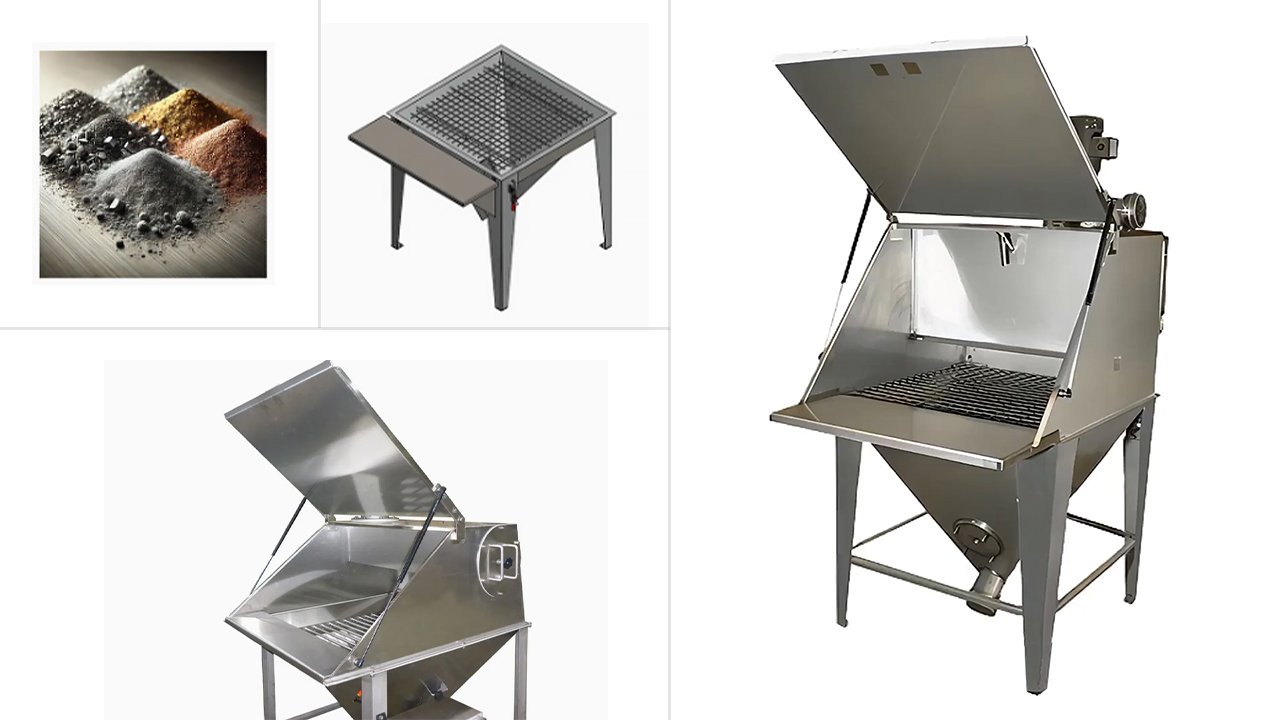
The process begins with charging pre-weighed raw materials into the charging hopper. Accuracy at this stage is critical, as the performance of dry mix products depends on precise proportions of cement, fillers, polymers, and additives. Our hopper design ensures smooth loading while minimising dust emissions, which keeps the workspace clean and safe.
From here, the raw materials are fed gradually into the screw conveyor. This conveyor does more than just transfer materials. It regulates the flow to prevent blockages or overloading in the next stages. Maintaining a steady feed sets the foundation for consistent mixing later in the process.
Step 2: Transfer to the Shear Plough Mixer
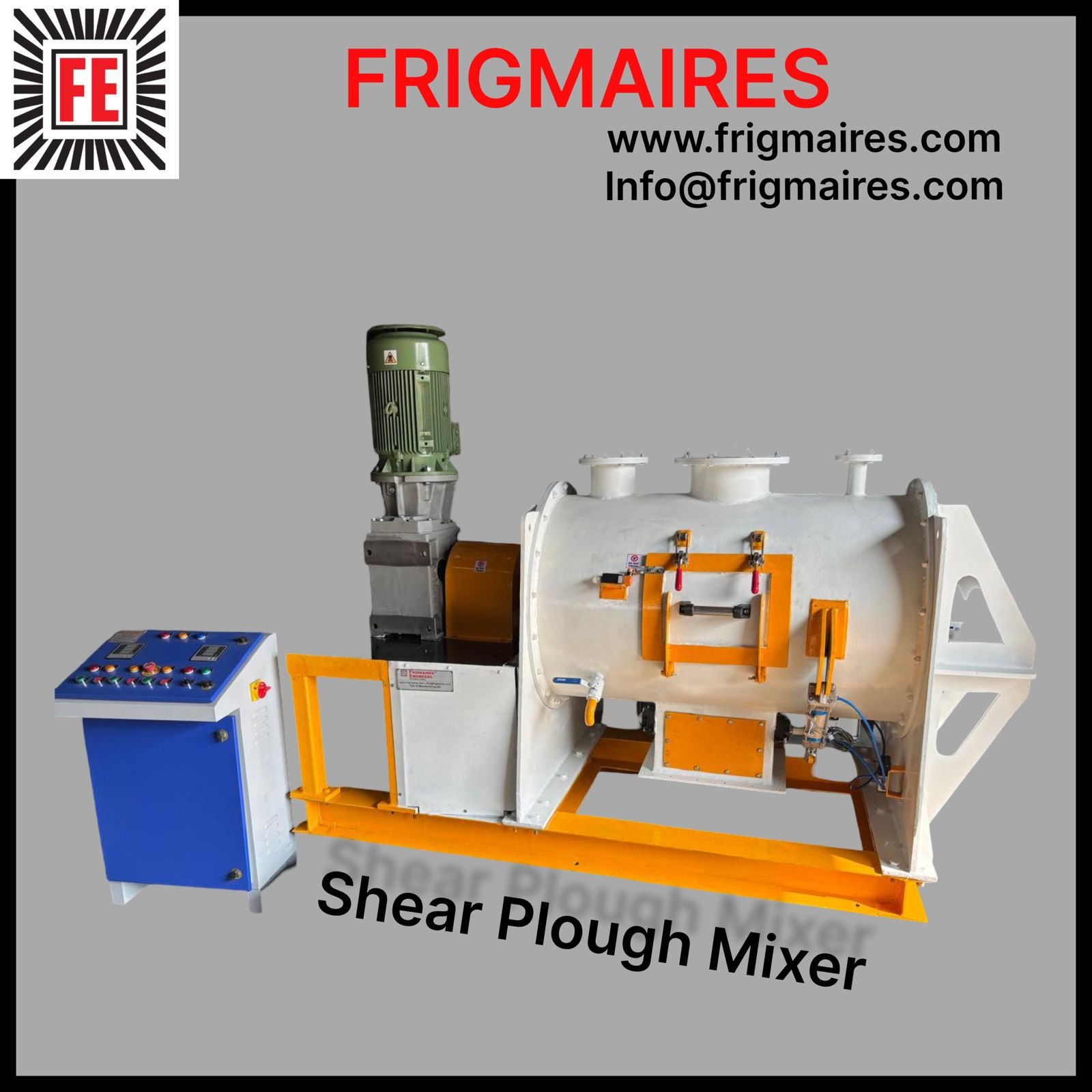
Once fed into the system, the raw materials are moved to the shear plough mixer. This advanced mixer uses plough-shaped blades that rotate at high speed, lifting and tossing the material in three-dimensional motion. The action ensures every particle comes into contact with the others, creating a uniform blend even with complex formulations.
The enclosed design of the mixer not only conserves energy but also maintains a dust-free environment. By containing the material within a sealed chamber, it guarantees minimal loss and maximum efficiency, making it ideal for industrial-scale dry mix production.
Step 3: Homogenisation and Breaking of Lumps
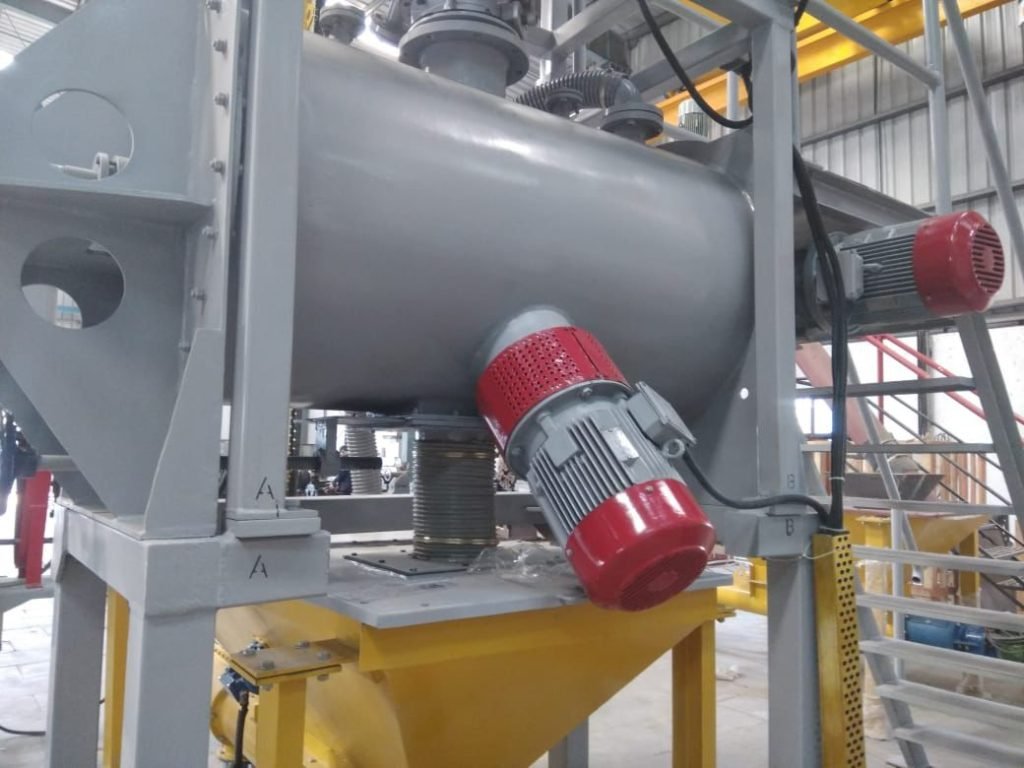
The mixer runs for a pre-defined cycle time, carefully optimised for each formulation. During this period, the raw materials undergo intense homogenisation, ensuring that the final mix is consistent in texture and quality.
For materials like cement and polymers that tend to clump, the integrated chopper unit plays a vital role. It slices through any agglomerates and lumps, breaking them down into fine particles. This results in a smooth, lump-free blend, which is crucial for products like wall putty and adhesives that require uniformity for proper bonding and finish.
Step 4: Discharging the Mixed Material
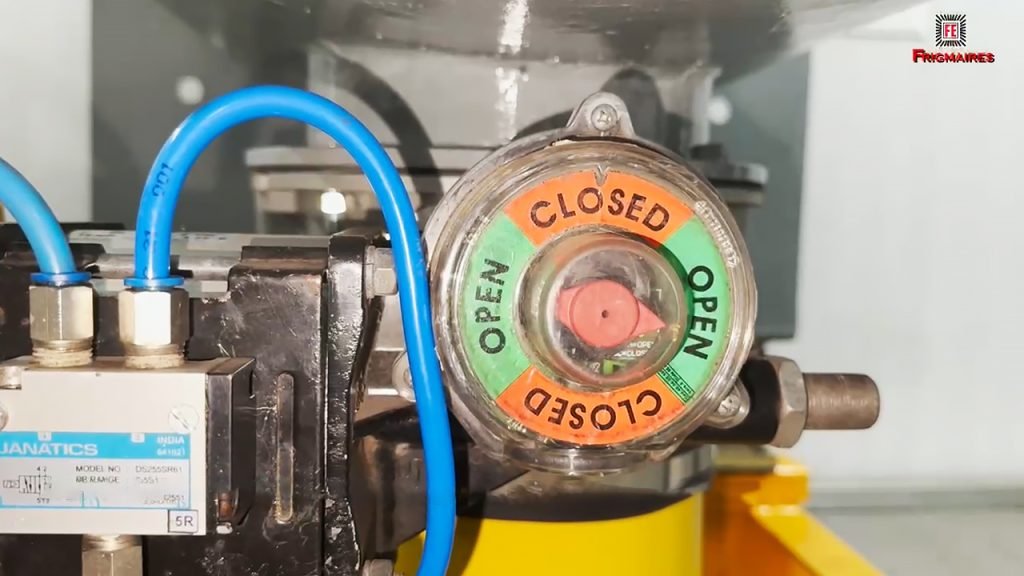
Once the homogenisation is complete, the finished batch is ready for the next stage. At this point, the actuator valve is activated to discharge the mixture. The valve operates automatically and ensures that material flow is quick, precise, and free of manual errors.
This controlled discharge reduces waste and speeds up production cycles. By keeping the transition from mixing to storage seamless, downtime is minimised and efficiency is maximised.
Step 5: Transfer to the Storage Hopper
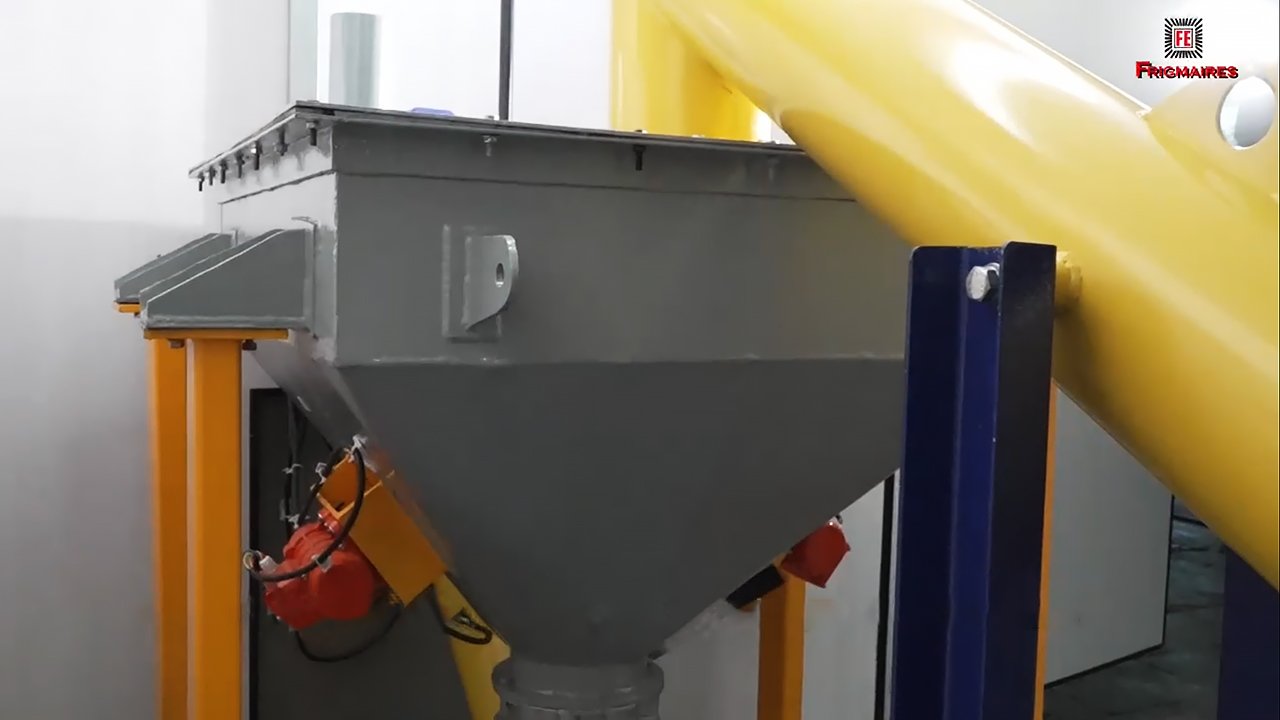
The discharged material then travels via a Screw Conveyor to the Storage Hopper. This hopper serves as an intermediate holding station, balancing the pace between mixing and packing. It ensures that production remains continuous, even when bagging operations momentarily pause.
The closed transfer system prevents exposure to air, dust, or moisture. This is especially important in maintaining the integrity of dry mix products, which are highly sensitive to contamination.
Step 6: Bag Filling with Foot Switch Control
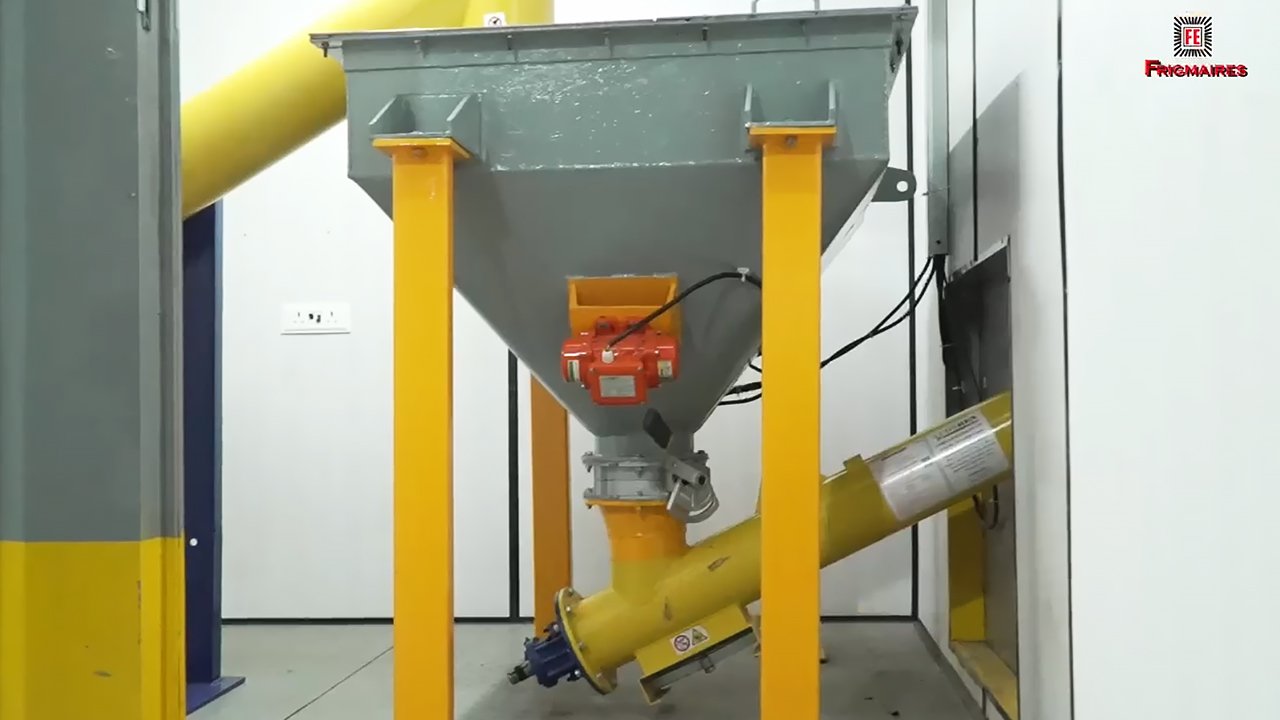
From the storage hopper, the finished product moves to the bag-filling station through another screw conveyor. Here, automation meets operator control. The filling system is equipped with a Foot Switch, allowing the operator to start or stop the flow with ease. This hands-free mechanism ensures greater safety, reduces fatigue, and improves speed in bagging operations.
Each bag is filled with a consistent volume of product, minimising wastage and ensuring reliable delivery to end-users. The automation also reduces the dependency on manual labour while increasing precision.
Step 7: Weighing and Sealing the Bags
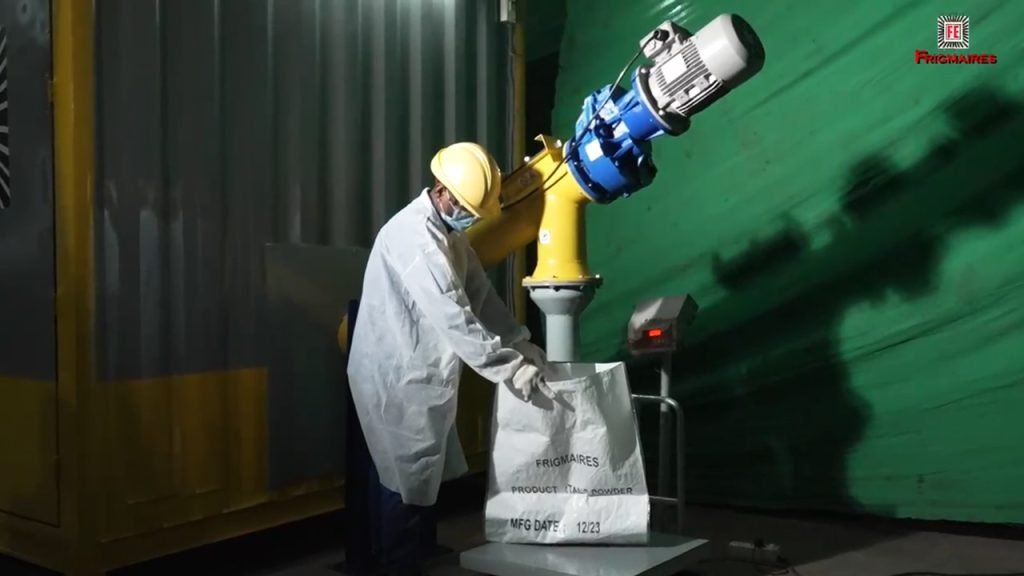
The final step ensures that every bag leaving the plant meets exact standards. The filled bags are automatically weighed to confirm they meet the pre-set weight requirement. Any discrepancies are corrected before sealing.
Once confirmed, the bags are sealed using a Stitching Machine. This industrial-grade stitching ensures durability during handling, storage, and transportation. Proper sealing also protects the product from moisture ingress and contamination, guaranteeing a longer shelf life and reliable performance for end-users.
Our Clients and Testimonials.